Screen and Recoat Engineered Hardwood Floors: Complete Guide for 2026
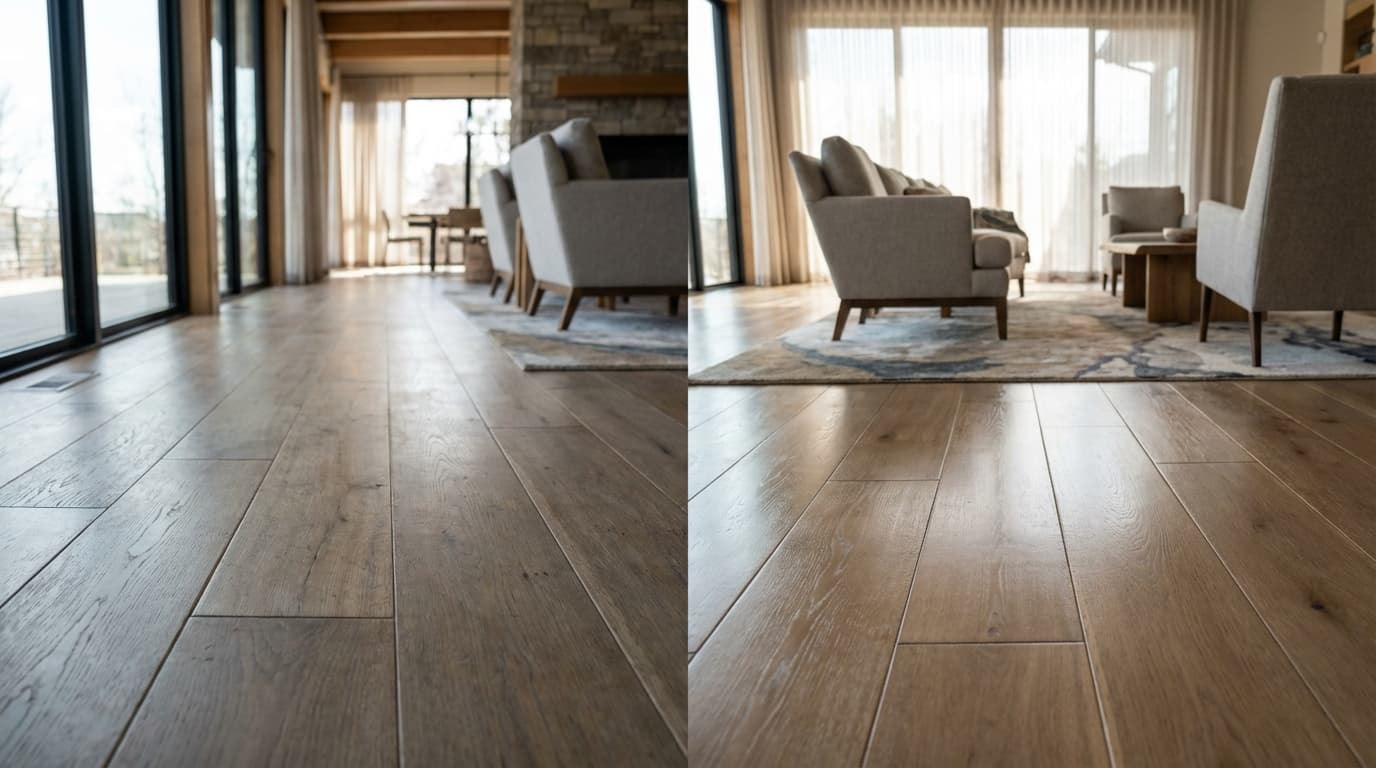
Your engineered hardwood floors still have plenty of life left in them, even if they're looking a little tired. A screen and recoat can take them from scuffed to stunning in just one day, without the dust, disruption, or expense of a full refinishing project.
This guide covers everything you need to know: how the process works, whether your floors qualify, what to expect on appointment day, and how to keep your floors looking great for years to come.
What is a screen and recoat for hardwood floors
A screen and recoat is a maintenance service that restores shine and removes minor scratches from hardwood floors by lightly abrading the existing finish and applying a fresh protective coat. Unlike full refinishing, this process doesn't sand down to bare wood. Instead, it works with what's already there, which makes it faster, less invasive, and more affordable.
The term "screening" refers to using a floor buffer fitted with a fine mesh abrasive screen. This screen lightly scuffs the top layer of your existing polyurethane finish, creating tiny grooves that help the new coat bond properly. After screening, one or two fresh coats of polyurethane go on top.
Most screen and recoat jobs wrap up in a single day. You're looking at minimal dust, low odor with water-based finishes, and floors you can walk on within hours. It's essentially a tune-up for your floors rather than a complete overhaul.
Can you screen and recoat engineered hardwood floors
Yes, and engineered hardwood is actually a great candidate for this service. Here's why: engineered floors have a thinner top veneer than solid hardwood, typically between 2mm and 6mm thick. Because screening only touches the finish layer and doesn't remove any wood, you're not risking damage to that veneer.
The main requirement is that your existing polyurethane finish is still in decent shape. If the finish has worn completely through to bare wood in certain spots, or if you're seeing deep scratches that have penetrated the wood itself, a screen and recoat won't fix those problems. However, for surface-level wear, dullness, and light scratching, this process delivers excellent results.
One thing to keep in mind: the finish type matters. Engineered floors with a standard polyurethane finish are straightforward to recoat. Floors with aluminum oxide coatings, which are common on prefinished engineered hardwood, sometimes require special adhesion promoters to help the new finish stick.
Signs your engineered floors need screening and recoating
Your floors will usually tell you when it's time. Catching wear early means you can recoat before damage reaches the wood, which saves money and extends your floor's lifespan.
Dull or worn finish
When your floors have lost their sheen despite regular cleaning, that's often the first sign. Light no longer reflects evenly across the surface, and the overall appearance looks flat or tired. This dullness happens as the top layer of polyurethane wears down from foot traffic.
Visible surface scratches
Fine scratches from daily life, including pet nails, furniture movement, and grit tracked in on shoes, accumulate over time. If you can see the scratches but can't feel them catching your fingernail, they're likely sitting in the finish layer only. Screening can address this type of damage.
Fading or discoloration
Uneven color from sun exposure shows up as lighter patches near windows or darker areas under rugs. You might also notice distinct wear patterns in hallways and doorways where traffic is heaviest.
Floor feels rough or sticky
A texture change signals finish breakdown. Your floor might catch on socks or feel tacky underfoot, especially in humid weather. This happens when the polyurethane starts to degrade.
High traffic patterns showing
When you can clearly see paths where people walk most often, the finish in those areas has thinned compared to less-used spots. Acting at this stage prevents the wear from reaching the wood.
Screen and recoat vs full hardwood floor refinishing
Understanding the difference helps you choose the right service. A screen and recoat works on the finish layer only. Full refinishing sands the floor down to bare wood, then applies stain and new finish from scratch.
| Factor | Screen and Recoat | Full Refinishing |
|---|---|---|
| What it does | Adds new finish over existing coat | Sands to bare wood, then stains and finishes |
| Best for | Surface wear, light scratches, dull finish | Deep scratches, stains in wood, color changes |
| Time required | Typically one day | Multiple days |
| Disruption | Minimal dust, low odor | Significant dust, strong fumes |
| Cost | Lower investment | Higher investment |
The deciding factor is whether damage has penetrated through the finish into the wood. If you're seeing bare wood, deep gouges, or stains that have soaked into the grain, full refinishing becomes necessary. If the damage is limited to the finish layer, a screen and recoat handles it.
How screening and recoating hardwood floors works
Knowing what happens during the process helps you prepare and set expectations. Here's the typical sequence from start to finish:
1. Floor assessment and cleaning
First, a technician inspects your floor for damage and tests the existing finish type. Some finishes, like wax or certain acrylics, require special preparation. After the assessment, the floor gets a deep cleaning to remove all dirt, dust, and residue that could interfere with adhesion.
2. Screening the surface
Next comes the actual screening. A floor buffer fitted with an abrasive mesh screen moves across the floor, lightly scuffing the existing finish. This creates "tooth," which is the texture that allows the new coat to grip properly. The process is gentle and doesn't remove any wood.
3. Removing dust and debris
After screening, thorough cleanup is critical. The floor gets vacuumed completely, then wiped with a tack cloth to pick up any remaining particles. Even tiny dust specks can cause bubbles or bumps in the new finish.
4. Applying fresh finish coats
With the surface prepped, one or two coats of polyurethane go on. Water-based finishes dry faster and have lower odor. Oil-based finishes take longer to cure but offer a warmer tone. Your technician applies the finish with professional equipment for even coverage.
5. Curing and final inspection
The floor then needs time to harden. Light foot traffic is usually fine within a few hours for water-based finishes. Full cure, when you can safely return furniture, typically takes two to three days. A final walkthrough confirms the results meet expectations.
Which engineered floors cannot be screened and recoated
Certain finishes and conditions disqualify floors from this service. Knowing the limitations upfront prevents wasted time and money.
Floors with wax buildup
Wax creates a barrier that prevents new polyurethane from bonding. If your floors have been treated with wax-based products over the years, that layer requires chemical stripping before recoating. Otherwise, the new finish may peel or flake.
Oil-finished engineered hardwood
Penetrating oil finishes soak into the wood rather than forming a film on top. There's no surface layer to screen. Oil-finished floors require re-oiling instead of recoating, which is a different process entirely.
Acrylic-impregnated floors
Some commercial-grade engineered floors have factory-hardened acrylic finishes. This type of finish won't accept new topcoats because the surface is too hard and non-porous for adhesion.
Floors with deep damage or delamination
If scratches have reached the wood, or if the veneer is separating from the core layers, screening won't solve the problem. Delamination, where layers of the engineered plank come apart, requires replacement of affected boards or full refinishing.
Good to know: OneDayFinish offers acrylic and wax removal services for floors that require prep work before recoating.
How much does a hardwood floor screen and recoat cost
Several factors influence pricing, and getting an accurate estimate requires an in-person or detailed assessment:
- Square footage: Larger areas require more materials and labor time, which increases the total cost
- Floor condition: Extra preparation like deep cleaning, minor repairs, or wax removal adds to the project scope
- Finish type: Water-based and oil-based polyurethanes have different material costs and application requirements
- Geographic location: Labor rates vary by market and region
The best way to get an accurate number is to request a written estimate. OneDayFinish provides free estimates within 24 hours with no hidden fees. The price quoted is the price you pay.
Should you DIY or hire a professional for wood floor screen and recoat
Both options have tradeoffs worth considering honestly.
A DIY approach involves renting equipment, which includes a buffer, vacuum, and applicators. You'll also face the risk of uneven screening or finish application, no warranty if something goes wrong, and a significant time investment for prep, application, and cleanup. If you've never operated a floor buffer, there's a learning curve.
Professional services bring proper assessment of finish compatibility, commercial-grade equipment, same-day completion with cleanup included, and workmanship warranties. Professionals also know how to handle problem areas and can spot issues you might miss.
For a single small room, DIY might make sense. For larger areas or your main living spaces, professional service typically delivers more consistent results. No pressure either way.
How to prepare your home for a screen and recoat
A little preparation on your end helps the job go smoothly and quickly.
Clear furniture from the room
Remove all furniture, rugs, and items from the floor area at least one day before your scheduled appointment. This gives you time to handle heavy pieces and avoids delays on the day of service.
Remove area rugs and wall decor
Take down anything that could fall or catch finish splatter. Low-hanging art, curtains that touch the floor, and decorative items on low shelves are all worth moving temporarily.
Address pet and family logistics
Plan for pets and family members to stay out of the work area during application and curing. The finish needs time to set without foot traffic or paw prints.
Ensure good ventilation
Open windows if possible. Even water-based finishes with low odor benefit from good airflow, which also speeds up the curing process.
What to expect during your hardwood floor screen and recoat
On appointment day, technicians arrive on time and begin by protecting surrounding areas with drop cloths. They then move through the cleaning, screening, and coating phases in sequence.
With OneDayFinish, most jobs wrap up in just one day. Technicians clean as they go and leave your space spotless when finished. Every job is backed by a workmanship warranty and 100% satisfaction guarantee.
How many times can you screen and recoat engineered hardwood
Engineered floors can typically be screened and recoated multiple times, as long as the existing finish remains intact and the wear layer hasn't been compromised by previous sanding. Each screen and recoat adds a fresh protective layer without removing wood.
For high-traffic areas like hallways and kitchens, annual recoating helps maintain protection. Lower-traffic rooms can often go three to five years between recoats. Regular maintenance extends the time between more invasive and costly full refinishing projects.
How to maintain your floors after screening and recoating
Protecting your investment comes down to consistent care habits.
Daily and weekly cleaning tips
Use a soft microfiber mop for regular cleaning and avoid wet mopping, which can damage polyurethane over time. Clean spills immediately before they have a chance to sit. Never use wax or oil-based cleaners on polyurethane finishes, as they can interfere with future recoating.
Protect high traffic areas
Place rugs at entryways to catch grit before it reaches your floors. Add felt pads under furniture legs to prevent scratches when pieces get moved. If you have pets, keeping nails trimmed reduces surface scratching.
When to schedule your next recoat
Watch for early signs of wear, including dullness, fine scratches, and texture changes. Scheduling proactively, before damage reaches the wood, is easier and cheaper than waiting for significant problems to develop.
Restore your engineered hardwood floors in just one day
A screen and recoat is the fastest, most affordable way to renew engineered hardwood without major disruption. OneDayFinish delivers one-day completion, free estimates within 24 hours, and transparent pricing with no hidden fees.
Our licensed, insured, and background-checked team backs every project with a workmanship warranty and 100% satisfaction guarantee. If you're not happy, we make it right at no extra cost.
FAQs about screening and recoating hardwood floors
Can you screen and recoat engineered hardwood that has stains?
Surface stains in the finish layer may be reduced or removed during screening. However, stains that have penetrated into the wood itself will remain visible. Removing deep stains requires full refinishing, which sands down to bare wood and allows for re-staining.
How long does a screen and recoat take to fully cure?
Most water-based finishes allow light foot traffic within a few hours. Full cure, when you can safely return furniture and rugs, typically takes two to three days. Humidity and ventilation in your home affect curing time.
Does the screening process create dust in your home?
Modern screening produces minimal dust compared to full sanding. Professional services include thorough cleanup throughout the process, with vacuuming and tack cloth wiping to contain particles before applying finish.
Can you change your floor color with a screen and recoat?
No. A screen and recoat applies clear finish over the existing color. Changing the stain color requires sanding the floor down to bare wood, which is part of full refinishing rather than a screen and recoat.
How soon can you move furniture back after a recoat?
Wait until the finish has cured sufficiently, which is usually two to three days for water-based polyurethane. Your technician will provide specific guidance based on the product used and conditions in your home.
Is there a warranty on professional screen and recoat services?
Reputable companies offer workmanship warranties. OneDayFinish backs every job with a comprehensive workmanship warranty and 100% satisfaction guarantee. If you're not happy with the results, we make it right at no extra cost.
Ready to get started?
Schedule your free estimate today.
(720) 730-8764 Get Free Estimate
Call now for a free phone estimate
- Free estimates, no obligation
- Licensed, insured, background-checked
- 100% satisfaction guaranteed
Mon–Fri: 8 am – 5 pm · Sat: 8 am – 12 pm · Sun: Closed