Screen and Recoat vs Refinishing Hardwood Floors: Cost, Process, Pros & Cons
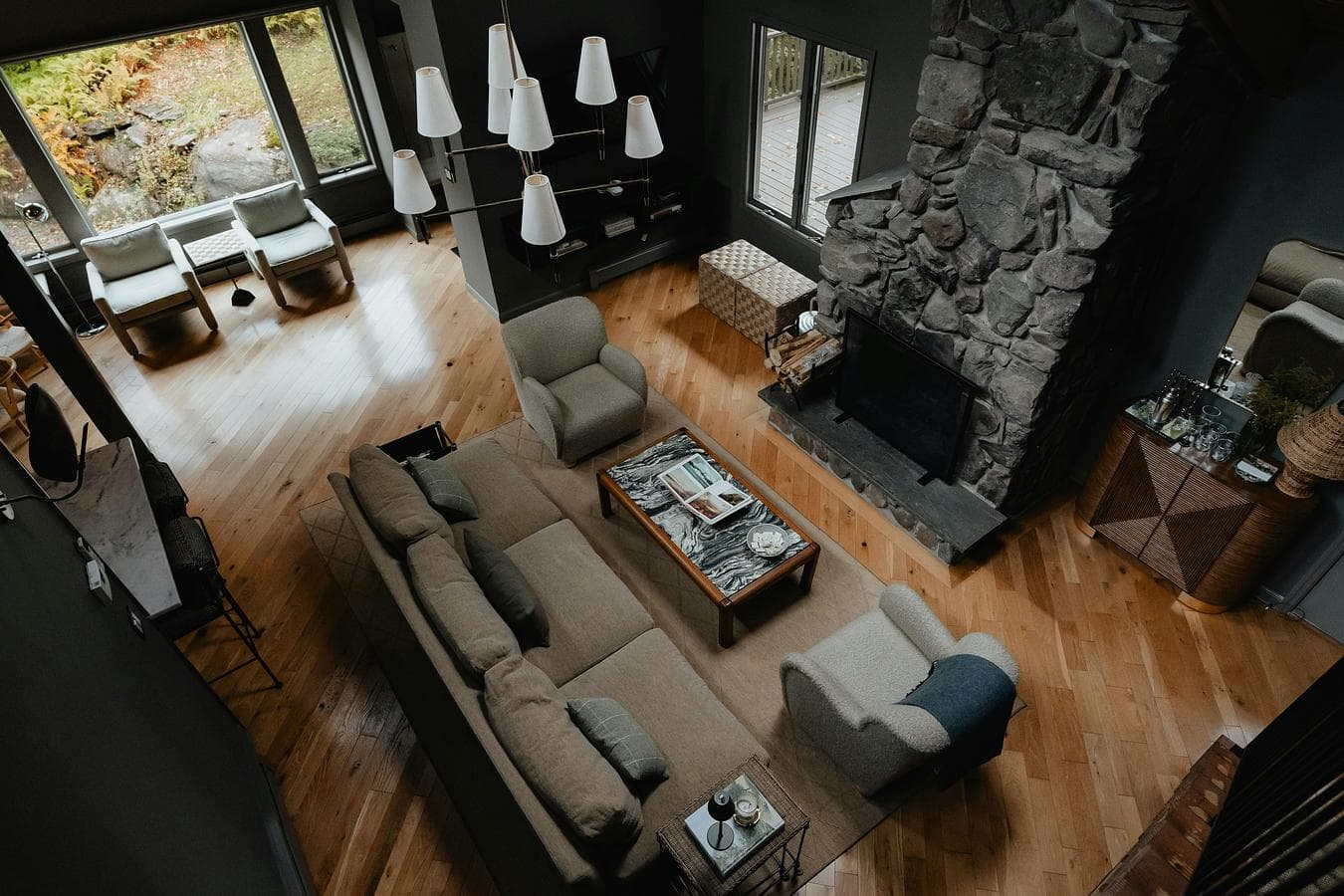
Your hardwood floors look tired—dull finish, light scratches, nothing like when you moved in. But here's the thing: they might not need the full sanding treatment everyone assumes is the only fix.
A screen and recoat refreshes worn floors in a single day at a fraction of the cost of refinishing. Below, we'll walk through exactly how the process works, what it costs, and how to tell whether your floors are good candidates.
What is a screen and recoat for hardwood floors
A screen and recoat is a maintenance process that refreshes worn or dull hardwood floors by lightly abrading the existing polyurethane finish and applying a fresh protective coat on top. The process typically costs between $1 and $2.50 per square foot and wraps up in a single day, making it a faster and more affordable alternative to full refinishing.
Here's the important distinction: screening doesn't sand down to bare wood. It only scuffs the surface of your existing finish so a new coat can bond properly. Your current stain color stays exactly the same.
You'll hear this process called a few different names depending on who you talk to:
- Buff and coat
- Screen and coat
- Recoat
All three terms describe the same procedure.
How wood floor screening and recoating works
Step 1: Clean and prepare the floor
Everything starts with an empty room. All furniture comes out, and the floor gets a thorough vacuuming followed by damp-mopping to remove dust, debris, and any contaminants.
Why does this matter so much? Even tiny particles trapped under the new finish create bumps or prevent proper adhesion. A clean surface is the foundation for a smooth, lasting result.
Step 2: Screen the floor surface
Next, a professional buffer fitted with a fine-grit mesh screen (typically 120 to 150 grit) passes over the floor. The screen lightly scuffs the existing polyurethane, creating a subtle texture that gives the new coat something to grip.
Think of it like lightly sanding a wall before painting. You're not removing material so much as creating a surface the new layer can bond to. The screen never cuts through to bare wood.
Step 3: Apply a fresh finish coat
After screening, the floor gets cleaned again to remove every speck of dust. Then a new layer of polyurethane goes on.
You'll typically choose between two options:
- Waterborne polyurethane: Dries faster, lower odor, clear appearance
- Oil-based polyurethane: Slightly amber tone, longer dry time, traditional look
Many homeowners prefer waterborne finishes because the lower odor means less disruption to daily life.
Step 4: Allow the finish to cure
You can walk on the floor in socks within a few hours of application. However, the finish takes several days to fully harden, so heavy furniture and area rugs stay off until then.
Most screen and recoat projects finish the same day the work begins. By evening, you're walking through your home again.
Screen and recoat vs refinishing your hardwood floors
| Factor | Screen and Recoat | Full Refinishing |
|---|---|---|
| Process | Scuff existing finish, apply new coat | Sand to bare wood, stain (optional), seal |
| Time | Typically one day | Multiple days |
| Cost | Lower per square foot | Higher per square foot |
| Mess | Minimal dust | Significant dust |
| Best for | Surface wear, dull finish | Deep scratches, color change, bare spots |
Time and process differences
A screen and recoat typically takes one day from start to finish. No sanding to bare wood, no multiple coats requiring overnight drying between applications.
Full refinishing is a different story. The process involves sanding away all existing finish down to raw wood, then building up new layers of stain and sealant. That takes multiple days, and some homeowners choose to stay elsewhere during the work because of dust and fumes.
Cost comparison
Screen and recoat runs roughly one-third to one-half the cost of full refinishing on a per-square-foot basis. The savings come from less labor, fewer materials, and a faster timeline.
For floors that only have surface-level wear, screening delivers the refreshed look you want without the larger investment.
Results and appearance
Screening restores shine and adds a new protective layer, but your existing stain color remains unchanged. The process works with what's already there rather than starting over.
If you want a different color or have damage that goes deeper than the finish, full refinishing is the only way to get there.
Disruption and mess in your home
Screening produces minimal dust compared to the clouds of fine particles that come with sanding to bare wood. With drop cloths protecting adjacent areas and thorough cleanup afterward, your home stays livable throughout the project.
Full refinishing, on the other hand, often means sealing off rooms with plastic sheeting and dealing with dust that seems to find its way everywhere despite precautions.
How much does a hardwood floor screen and recoat cost
Average cost per square foot
Screen and recoat projects generally fall between $1 and $2.50 per square foot. Full refinishing typically runs two to three times higher.
The exact price depends on your specific situation, which is why a written estimate before work begins matters. No surprises at the end.
Factors that affect your price
Several variables influence your final cost:
- Floor condition: Floors with heavy buildup from cleaning products or wax require more prep work
- Square footage: Larger projects often come with a lower per-square-foot rate
- Finish type: Waterborne and oil-based polyurethanes have different price points
- Accessibility: Tight hallways, closets, and complex room layouts take more time
How location impacts screen and recoat cost
Labor rates and material costs vary by region. In the Denver metro area, local providers familiar with Colorado's dry climate and common flooring types can give you accurate estimates based on current market conditions.
Get a FREE Quote within 24 hours. No pressure.
Is your floor a good candidate for screening and recoating
Signs your floor is ready for a screen and coat
Your floors are likely good candidates if you notice:
- Dull or worn appearance: The finish has lost its shine, but the wood underneath looks protected
- Light surface scratches: Fine scratches that haven't cut through to bare wood
- No bare spots: The finish covers the entire floor without worn-through areas
- Polyurethane finish: The existing coating is polyurethane rather than wax or penetrating oil
When all four conditions are present, screening can restore your floors beautifully.
Floors that need full refinishing instead
Some situations call for the more intensive approach:
- Deep scratches or gouges: Damage that has reached the bare wood
- Bare spots: Areas where the finish has completely worn away
- Pet stains or water damage: Discoloration that has penetrated into the wood fibers
- Color change desired: You want a different stain color than what's currently there
In any of these cases, screening won't solve the problem. The floor requires sanding to bare wood.
Can you screen and recoat engineered hardwood floors
Yes, in most cases. Engineered hardwood has a real wood veneer on top, and as long as that veneer is thick enough and the existing finish is compatible, screening works well.
The key is having a professional assess your specific floors. Some engineered products have very thin wear layers or factory finishes that don't accept a recoat properly. A quick evaluation tells you whether your floors qualify.
Benefits of screening wood floors
Completed in one day
Most screen and recoat projects wrap up in a single day. You clear the room in the morning, and by evening you're walking through your refreshed space in socks.
Compare that to full refinishing, which can stretch across three to five days depending on the size of the project and number of coats applied.
Lower cost than full refinishing
Screening costs a fraction of what you'd pay for a complete sand-and-refinish job. The savings come from less labor time, fewer materials, and no need for staining.
For floors that don't require deep repair, screening delivers excellent value.
Less mess and disruption
The screening process generates minimal dust. There's no sanding to bare wood, no fine particles floating through your home for days afterward.
With proper drop cloths and cleanup, your living space stays clean throughout the project.
Extends your floor life for years
Regular screening every three to five years maintains the protective layer on your hardwood. Each fresh coat of polyurethane shields the wood from wear, scratches, and moisture.
Think of it as preventive maintenance. A relatively small investment now delays the much larger expense of full refinishing later.
Limitations of screen and recoat
Cannot repair deep scratches or bare spots
Screening only addresses the surface layer of finish. If scratches or wear have reached the bare wood underneath, a new coat of polyurethane won't hide or repair that damage.
Those situations require sanding down past the damaged area, which means full refinishing.
Does not change stain color
Because screening applies a clear protective coat over your existing finish, the current stain color remains exactly the same. There's no opportunity to go lighter, darker, or change the tone.
If a color change is part of your vision, full refinishing is the path forward.
Requires an intact existing finish
Screen and recoat works on polyurethane finishes that are still largely intact. The process won't work on:
- Wax finishes
- Penetrating oil finishes
- Floors cleaned with oil soaps or silicone-based products that leave residue
A simple adhesion test during an estimate reveals whether your floor's existing finish will accept a new coat.
When to choose refinishing over screen and recoat
Heavy wear or bare wood showing
If you can see raw wood in high-traffic areas, the protective finish has worn completely through. Screening can't help at that point because there's no existing finish to bond with.
Full refinishing sands away the remaining finish, addresses the bare areas, and builds up fresh protection from scratch.
You want to change the floor color
Changing your hardwood floor's color requires removing the existing finish and stain entirely. Only then can new stain penetrate the wood and create a different look.
Screening applies a clear coat, so color change isn't possible with this process.
Pet stains or water damage are present
Stains from pets or water often soak deep into wood fibers, well below the surface finish. Removing them requires sanding past the damaged layer to reach clean wood underneath.
If you're dealing with dark spots or discoloration that won't wipe away, refinishing is the solution.
Get your floors screened and recoated in one day
OneDayFinish specializes in one-day hardwood floor screening and recoating for Denver-area homeowners. Free estimates within 24 hours, clear upfront pricing, and a 100% satisfaction guarantee.
- Licensed and insured with $2M liability coverage
- Background-checked technicians
- Workmanship warranty included
- No hidden fees
FAQs about screen and recoat hardwood floors
How long should you stay off hardwood floors after a screen and recoat?
Light foot traffic in socks is typically fine within a few hours. Full curing takes several days, so heavy furniture and area rugs stay off until then. Your technician will give you specific timing based on the finish used and current humidity levels.
How often should you screen and recoat hardwood floors?
Every three to five years works well for most homes, though high-traffic areas may benefit from more frequent attention. Regular screening maintains the protective layer and delays the need for full refinishing.
Can you screen and recoat over oil-based polyurethane?
Yes. The key is proper preparation and using a compatible finish for the new coat. An adhesion test during the estimate confirms whether the existing finish will accept a recoat properly.
What happens if the new finish does not adhere to hardwood floors?
Poor adhesion causes peeling, flaking, or bubbling in the new finish. This is why testing the existing coating before starting work matters so much. A quick adhesion test identifies potential problems before they become expensive mistakes.
Do you need to move furniture before a hardwood floor screen and recoat?
Yes. The room requires complete clearing so the entire floor surface can be screened and coated evenly. Furniture, rugs, and other items all come out before work begins.